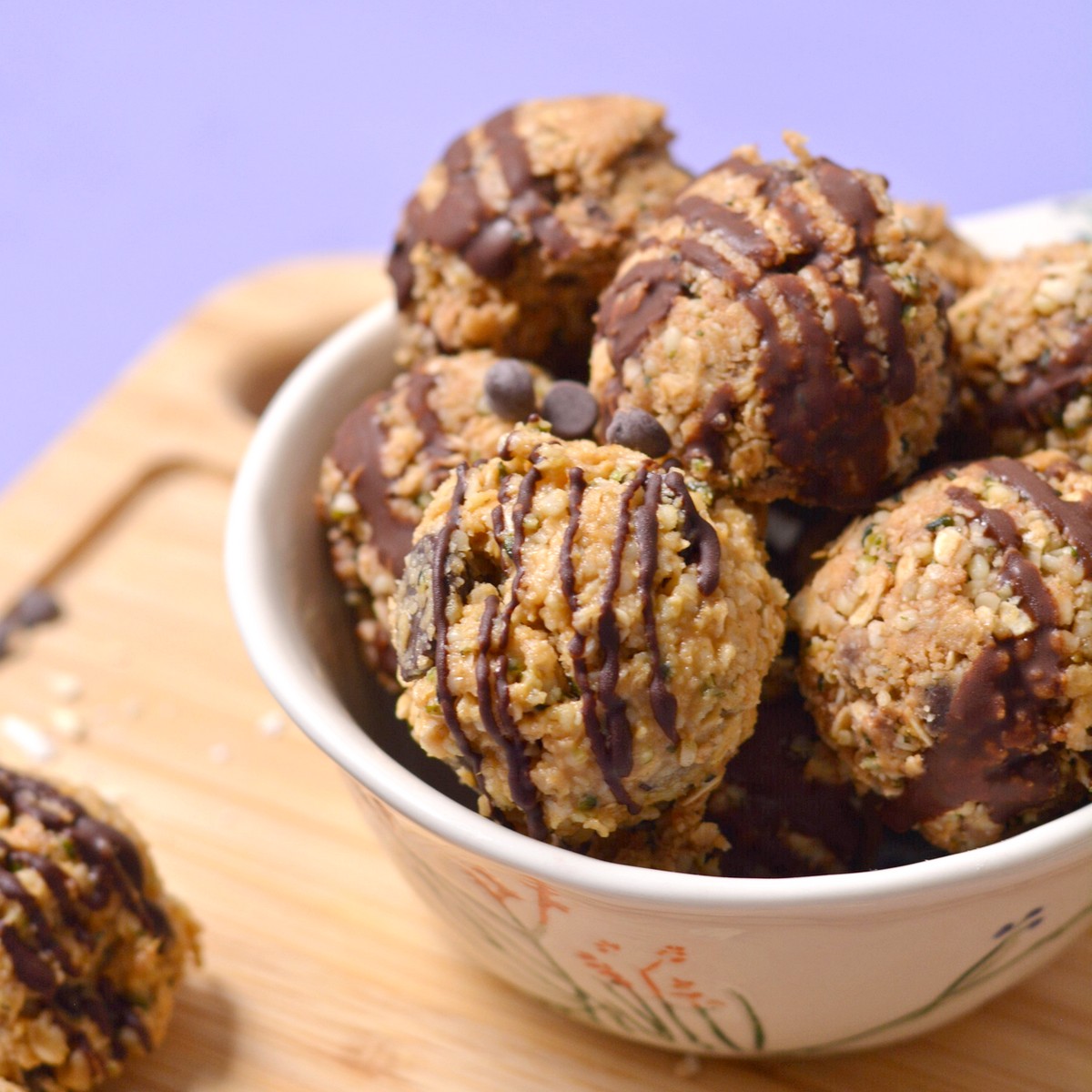
Beyond the Basics: Exploring Diverse Protein Ball Recipes
Protein balls have become a staple for health-conscious individuals, athletes, and anyone seeking a convenient, nutrient-dense snack. They're quick to prepare, incredibly versatile, and packed with energy. While the foundational concept remains simple – combining a protein source with binders and flavorings – the world of protein ball recipes is vast and continually expanding. Moving beyond the standard chocolate-peanut butter combination, this article delves into innovative approaches, dietary adaptations, and practical tips to elevate your homemade protein ball game. If you're looking for foundational recipes to get started, you can find excellent initial ideas in protein ball recipes - Article 1. Here, we'll explore how to customize these delightful bites for various dietary needs, optimize them for specific purposes like pre or post-workout fuel, and ensure they stay fresh for longer.Why Diversify Your Protein Ball Repertoire?
The beauty of homemade protein balls lies in their adaptability. By experimenting with different ingredients, you can:
- Meet Specific Dietary Needs: Easily create vegan, gluten-free, nut-free, or low-sugar options.
- Optimize for Purpose: Design balls that are perfect for a quick energy boost before a workout, sustained energy during a busy day, or muscle recovery afterward.
- Combat Flavor Fatigue: Keep your snack routine exciting by rotating through sweet, savory, fruity, and decadent flavors.
- Utilize Pantry Staples: Make the most of what you have on hand, reducing food waste and grocery bills.
Embracing this versatility means your protein balls can be more than just a snack; they can be a strategic tool in your nutritional toolkit.
Crafting Protein Balls for Specific Dietary Needs
One of the most powerful aspects of making your own protein ball recipes is the complete control you have over ingredients. This allows for effortless adaptation to almost any dietary restriction or preference.Vegan Powerhouses: Plant-Based Protein Balls
Creating delicious vegan protein balls is straightforward. The key is to select plant-based protein powders and binders.
- Protein Source: Opt for pea protein, rice protein, hemp protein, or a mixed plant-based blend. Ensure it's unsweetened or naturally sweetened to control sugar content.
- Binders: Medjool dates, dried apricots, sunbutter (sunflower seed butter), almond butter, cashew butter, or even mashed banana work wonderfully.
- Dry Ingredients: Rolled oats (ensure certified gluten-free if needed), shredded coconut, flax seeds, chia seeds, and finely ground nuts (almonds, walnuts) add texture and nutrients.
- Flavor Enhancers: Cacao powder, vanilla extract, cinnamon, or a pinch of salt can transform the taste without adding animal products.
Tip: For extra richness, add a tablespoon of coconut oil, which also helps with binding when chilled.
Gluten-Free & Allergy-Friendly Protein Balls
Avoiding gluten or common allergens like nuts doesn't mean sacrificing delicious snacks.
- Gluten-Free: Always use certified gluten-free rolled oats. Many protein powders are naturally gluten-free, but always check labels.
- Nut-Free: Replace nut butters with sunflower seed butter (sunbutter), tahini, or even roasted pumpkin seed butter. Use seeds (chia, flax, hemp, pumpkin) instead of nuts for crunch and healthy fats.
- Dairy-Free: Most homemade protein balls are naturally dairy-free when using plant-based milks or water to adjust consistency, and plant-based protein powders.
Fact: For those with celiac disease or severe gluten sensitivity, cross-contamination is a concern. Always ensure all ingredients are certified gluten-free, including oats and protein powders.
Low-Sugar & Keto-Friendly Options
For those managing blood sugar or following a ketogenic diet, protein ball recipes can still be a perfect fit with smart ingredient swaps.
- Sweeteners: Replace dates and maple syrup with sugar alcohols like erythritol or xylitol (use with caution around pets), or natural stevia/monk fruit drops.
- Fats: Increase healthy fats with extra nut/seed butter, coconut oil, cocoa butter, or avocado oil. This helps with satiety and texture.
- Carbs: Minimize high-carb ingredients like oats and dried fruit. Focus on almond flour, coconut flour, protein powder, and seeds for binding and bulk.
Example: A keto-friendly protein ball might combine almond butter, unsweetened cocoa powder, a keto-friendly sweetener, coconut oil, and a scoop of unflavored or vanilla whey/plant protein.
Optimizing Your Protein Balls for Workout Fuel and Recovery
The timing and composition of your snacks can significantly impact your energy levels and recovery. Protein ball recipes can be specifically tailored to serve as effective pre-workout fuel, post-workout recovery aids, or balanced sustained energy snacks.Pre-Workout Boosters: Quick Energy Release
Before a workout, you want easily digestible carbohydrates for quick energy, coupled with a moderate amount of protein.
- Focus: Simple carbs (dates, dried fruit), moderate protein, low fat (to avoid digestive discomfort).
- Ingredients: Medjool dates, oats, a fruit-flavored protein powder, a small amount of nut butter, and perhaps some berries.
- Ideal Timing: Consume 30-60 minutes before exercise.
Example: Date and berry protein balls provide natural sugars for immediate energy and protein to start the muscle protection process.
Post-Workout Recovery: Repair and Replenish
After physical activity, your body needs protein to repair muscle tissue and carbohydrates to replenish glycogen stores.
- Focus: Higher protein, complex carbohydrates, healthy fats.
- Ingredients: Chocolate protein powder, peanut butter, rolled oats, chia seeds, and a touch of maple syrup or honey.
- Ideal Timing: Within 30-60 minutes post-workout for optimal recovery.
Fact: Protein synthesis is elevated for up to 24-48 hours after exercise, making consistent protein intake crucial, not just immediately post-workout. However, a post-workout snack kickstarts the process effectively.
Sustained Energy Snacks: All-Day Fuel
For a balanced snack that keeps you feeling full and energized between meals, focus on a good mix of macros.
- Focus: Balanced protein, complex carbs, and healthy fats.
- Ingredients: Almond butter, mixed seeds (flax, chia, hemp), rolled oats, unflavored or vanilla protein powder, and a touch of natural sweetener.
Benefit: These types of protein ball recipes are perfect for desk-side snacking, mid-afternoon slumps, or as a healthy addition to a packed lunch.
Smart Storage and Shelf Life: Keeping Your Protein Balls Fresh
Once you've mastered creating delicious homemade protein balls, the next step is ensuring they stay fresh and palatable. Proper storage is key to extending their shelf life and maintaining their texture and flavor.Refrigeration Essentials
Most protein balls, especially those made with fresh ingredients like nut butters, dates, and protein powder, are best stored in the refrigerator.
- Airtight Container: This is crucial to prevent drying out and absorbing odors from other foods.
- Layering: If making a large batch, you can layer them in a container, separating layers with parchment paper to prevent sticking.
- Shelf Life: Typically, protein balls will last for 1-2 weeks in the refrigerator, depending on the ingredients. Those with fresh fruit or minimal preservatives might last closer to one week.
Tip: Always check for any off-smells or mold before consuming, especially if they've been stored for longer periods.
Freezing for Future Feasts
For longer-term storage or convenient meal prep, freezing your protein balls is an excellent option.
- Initial Freeze: Arrange the freshly rolled protein balls in a single layer on a baking sheet lined with parchment paper. Freeze for 1-2 hours until firm. This prevents them from sticking together when stored in bulk.
- Transfer to Bag/Container: Once frozen solid, transfer the balls to a freezer-safe bag or an airtight container. Remove as much air as possible from bags.
- Label and Date: Always label your containers with the date and recipe name.
- Shelf Life: Protein balls can last for 2-3 months in the freezer without significant loss of quality.
Thawing: Simply remove a few from the freezer and let them thaw in the refrigerator for an hour or two, or at room temperature for 15-30 minutes. They're also often delicious straight from the freezer for a harder, chewy treat.
Troubleshooting Common Protein Ball Mishaps
Even with the best protein ball recipes, sometimes things don't go exactly as planned. Don't worry, most common issues are easily fixable!Too Sticky?
If your mixture is too sticky to roll, it likely has too much liquid or not enough dry ingredients.
- Solution: Add more dry ingredients in small increments. This could be extra protein powder, oats, almond flour, or shredded coconut. Mix well and re-evaluate the consistency.
- Another Tip: Chill the mixture in the refrigerator for 20-30 minutes. Cold mixtures are generally less sticky and easier to handle.
Too Dry or Crumbly?
A dry or crumbly mixture won't hold its shape and will fall apart easily. This indicates too many dry ingredients or not enough binder/liquid.
- Solution: Add a wet ingredient a teaspoon at a time. Options include more nut butter, a liquid sweetener (maple syrup, honey), a splash of plant-based milk or water, or a little coconut oil.
- Mix Thoroughly: Ensure the added liquid is fully incorporated before adding more.
Flavor Falling Flat?
If your protein balls taste bland or uninspired, they might need a flavor boost.
- Solution: Incorporate spices like cinnamon, cardamom, or nutmeg. Add a dash of vanilla extract, almond extract, or a pinch of salt to enhance sweetness and complexity. Citrus zest (lemon, orange) can add a bright note. Cocoa powder or coffee can deepen chocolate flavors.
- Roast Nuts/Seeds: Lightly toasting nuts or seeds before adding them can unlock deeper, richer flavors.
Not Holding Shape?
This is often related to the wet-to-dry ratio, but chilling also plays a significant role.
- Ensure Proper Ratio: Follow the tips for sticky or dry mixtures above to get the consistency right.
- Chill Time: Always chill your mixture for at least 30 minutes (or even an hour) before rolling. This allows the ingredients to firm up and bind together.
- Roll Firmly: When rolling, apply gentle but firm pressure to help the ingredients coalesce.
With these troubleshooting tips, you'll be well-equipped to create perfect protein balls every time. For even more creative ideas and troubleshooting tips, don't miss protein ball recipes - Article 3.
Conclusion
The world of protein ball recipes is truly limitless, offering endless possibilities for customization, flavor exploration, and nutritional optimization. Whether you're adhering to specific dietary needs, fueling for a workout, or simply seeking a delicious and healthy snack, homemade protein balls provide an incredibly convenient and satisfying solution. By understanding the principles of ingredient selection, mastering smart storage techniques, and knowing how to troubleshoot common issues, you can consistently create perfect energy bites that support your health and lifestyle goals. So, get creative in the kitchen, experiment with new combinations, and enjoy the delicious benefits of these versatile power-packed snacks!
