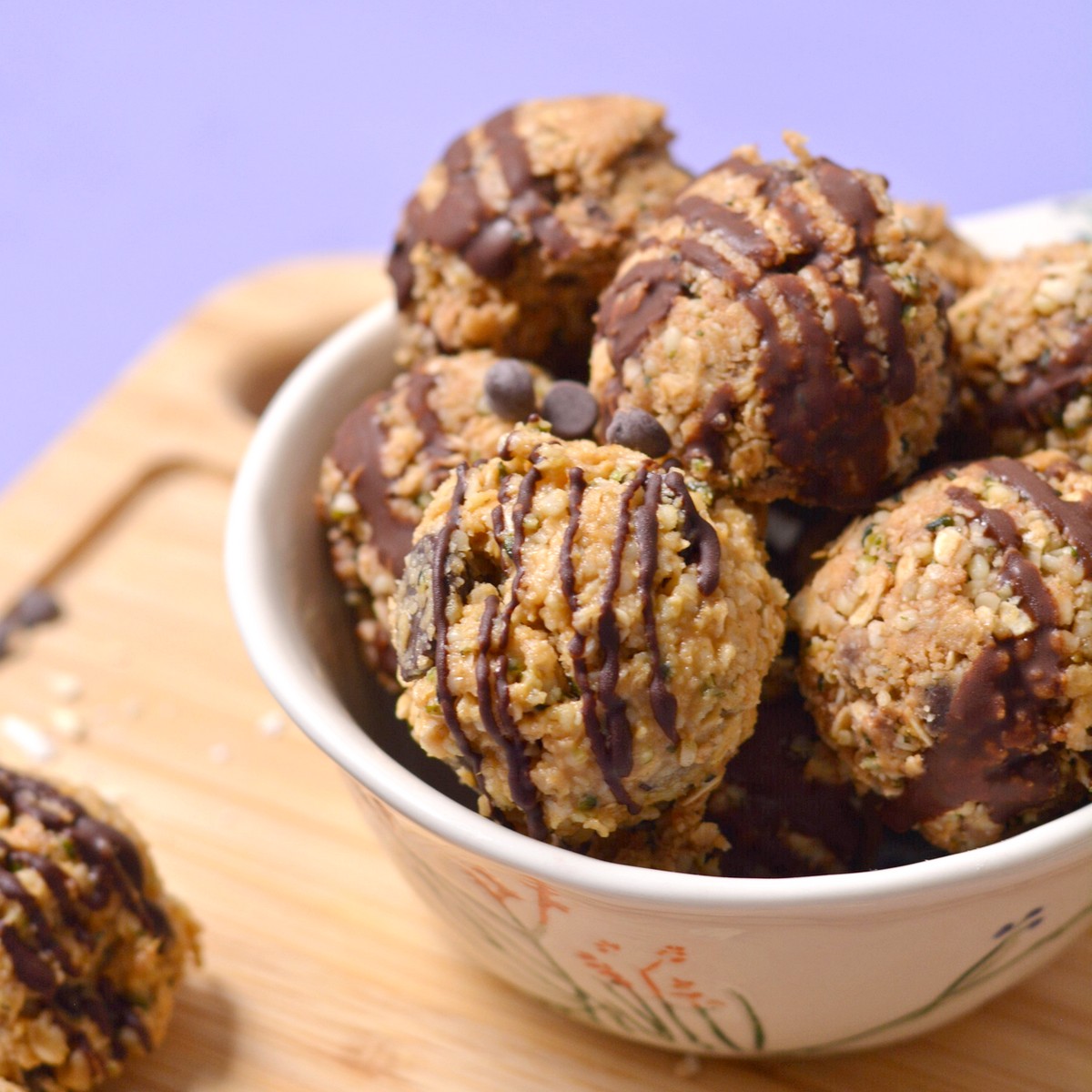
Unleash Your Inner Chef: Mastering Delicious and Nutritious Protein Ball Recipes
In today's fast-paced world, finding snacks that are both convenient and truly nourishing can feel like a quest. Enter the humble yet mighty protein ball – a game-changer for anyone looking to fuel their body with wholesome ingredients, curb cravings, and boost energy. Far from bland, homemade protein ball recipes offer an incredible array of flavors, textures, and nutritional profiles, making them the ultimate customizable snack. Whether you're a fitness enthusiast, a busy parent, a student on the go, or simply someone striving for healthier eating habits, mastering a few go-to protein ball recipes can transform your snacking routine. Dive in to discover everything you need to know about crafting these delightful, no-bake powerhouses.
Why Make Your Own Protein Balls? The Benefits Unpacked
While store-bought protein bars and snacks are abundant, making your own protein balls comes with a host of advantages that are hard to ignore. The primary benefit is complete control over ingredients. This means you can tailor your snacks to your specific dietary needs, preferences, and avoid unwanted additives, artificial sweeteners, or preservatives often found in commercial products. For those with allergies or sensitivities, customizing protein ball recipes ensures peace of mind and safety.
- Nutritional Powerhouse: Homemade protein balls are typically packed with protein, healthy fats, and complex carbohydrates, providing sustained energy without a sugar crash. They're perfect for pre-workout fuel, post-workout recovery, or a midday pick-me-up.
- Cost-Effective: Buying ingredients in bulk for several batches of protein balls is often significantly cheaper than purchasing individual pre-packaged snacks.
- Ultimate Customization: From vegan and gluten-free to nut-free or high-fiber options, the possibilities are endless. You can experiment with different protein powders, binders, sweeteners, and mix-ins to create unique flavor combinations.
- Convenience & Meal Prep: Protein balls are incredibly easy to make in large batches and store for days or even weeks. They're grab-and-go friendly, making healthy eating effortless even on the busiest days.
- Reduced Sugar Intake: Many commercial snacks are loaded with refined sugars. With your own protein ball recipes, you can use natural sweeteners like dates, honey, or maple syrup, or even sugar-free alternatives.
Embracing homemade protein ball recipes empowers you to take charge of your nutrition, enjoy delicious snacks, and save money – all while minimizing your environmental footprint by reducing packaging waste.
Essential Ingredients for Crafting Perfect Protein Ball Recipes
The beauty of protein balls lies in their simplicity and versatility, typically requiring just a few core components that can be mixed and matched. Understanding these building blocks will unlock a world of possibilities for your protein ball recipes.
1. The Protein Source
This is the star of the show, providing the muscle-building and satiety benefits. Your choice will depend on dietary preferences and goals.
- Whey Protein: A fast-digesting dairy-based protein, excellent for post-workout recovery.
- Casein Protein: A slow-digesting dairy protein, great for sustained release and bedtime snacks.
- Plant-Based Proteins: Pea, rice, soy, or a blend of these are perfect for vegans or those with dairy sensitivities. They come in various flavors and textures.
- Collagen Peptides: Flavorless and easily digestible, beneficial for skin, hair, and joint health.
2. The Binder & Base
These ingredients bring everything together, providing structure and often contributing healthy fats and fiber.
- Nut Butters: Peanut butter, almond butter, cashew butter, or pecan butter add healthy fats, protein, and a rich flavor. Opt for natural varieties without added sugars or oils.
- Seed Butters: Sunflower seed butter or tahini are excellent nut-free alternatives.
- Dates: Medjool dates are fantastic for natural sweetness and their sticky texture binds ingredients beautifully.
- Oats: Rolled oats or quick oats provide complex carbohydrates and fiber, adding chewiness and helping to absorb moisture.
3. Sweeteners (Optional)
While dates or flavored protein powders can provide sufficient sweetness, you might want to add a touch more.
- Liquid Sweeteners: Maple syrup, honey, agave nectar.
- Natural Granulated: Stevia, erythritol, monk fruit for sugar-free options.
4. Mix-ins & Flavor Boosters
This is where you can get creative and customize your protein ball recipes to your heart's content!
- Seeds: Chia seeds, flax seeds (ground for better absorption), hemp seeds add omega-3s, fiber, and texture.
- Nuts: Chopped almonds, walnuts, pecans, pistachios provide crunch and healthy fats.
- Dried Fruits: Raisins, cranberries, apricots, goji berries add natural sweetness and chewiness.
- Chocolate: Cacao nibs, mini chocolate chips (dark chocolate for less sugar), or a drizzle of melted chocolate.
- Desiccated Coconut: Adds flavor and a delightful texture, especially when toasted.
- Spices & Extracts: Cinnamon, vanilla extract, almond extract, peppermint extract.
- Cocoa Powder/Cacao Powder: For a rich, chocolatey base.
Versatile Protein Ball Recipes for Every Taste
With the core ingredients understood, let's explore some popular and adaptable protein ball recipes ideas that can serve as a jumping-off point for your culinary adventures. Remember, these are templates – feel free to adjust to your liking!
Classic Peanut Butter Chocolate Chip Protein Balls
This is often the gateway recipe for many. Combine natural peanut butter, vanilla whey protein, rolled oats, a touch of maple syrup, and mini chocolate chips. Roll them into bite-sized spheres for a universally loved treat that tastes like a healthy cookie dough.
Vegan & Gluten-Free Superfood Energy Bites
For a plant-based and allergy-friendly option, consider a blend of pitted Medjool dates (soaked if very dry), almond butter, plant-based protein powder (like pea or rice protein), ground flaxseed, chia seeds, and a splash of water or non-dairy milk to achieve the right consistency. Roll in desiccated coconut or more seeds for extra texture. For even more diverse and creative approaches to your next batch, explore protein ball recipes - Article 3, which delves into unique flavor combinations and advanced techniques.
Fruity & Zesty Lemon Poppy Seed Protein Balls
Looking for something lighter and more refreshing? Combine vanilla or unflavored protein powder with cashew butter, lemon zest, a squeeze of fresh lemon juice, poppy seeds, and a little honey or agave. A small amount of crushed freeze-dried raspberries can also add a delightful tartness and vibrant color.
Nut-Free Sunbutter & Oat Bites
If nuts are an issue, sunflower seed butter (Sunbutter) is a fantastic substitute. Mix it with rolled oats, unflavored or vanilla protein powder, a sweetener like honey or brown rice syrup, and a pinch of salt. You can also add dried cranberries or pumpkin seeds for extra flavor and crunch. If you're keen to explore specific vegan and gluten-free options in more detail, you'll find a wealth of inspiration and precise measurements in protein ball recipes - Article 2.
Tips for Crafting the Best Protein Ball Recipes
Making protein balls is simple, but a few tricks can elevate your creations from good to absolutely perfect.
- Achieve the Right Consistency: The mixture should be sticky enough to hold together when pressed, but not overly wet. If it's too dry and crumbly, add a tiny bit more liquid (water, milk, or a liquid sweetener). If it's too wet, add more dry ingredients like oats, ground flaxseed, or a bit more protein powder.
- Chill Before Rolling: If your mixture is too sticky, pop it in the refrigerator for 15-30 minutes. This makes it much easier to handle and roll into uniform balls.
- Use a Scoop: A small cookie scoop or a measuring spoon can help create consistently sized protein balls, which is great for portion control and even baking (if you ever decide to bake them).
- Hands-On Approach: Don't be afraid to get your hands dirty! Mixing and rolling by hand ensures everything is well combined and helps you feel the consistency. You can lightly dampen your hands to prevent sticking.
- Storage is Key: Store your finished protein balls in an airtight container in the refrigerator for up to a week. For longer storage, freeze them for up to 1-2 months. They thaw quickly, making them perfect for grabbing on the go.
- Experiment with Flavors: Don't be afraid to deviate from the recipe! Add different extracts, spices, or even a dash of espresso powder for a coffee kick. Think about flavor profiles you enjoy in other snacks or desserts and try to replicate them.
By following these simple guidelines, you'll consistently create delicious and perfectly textured protein balls every time.
From their unmatched convenience to their incredible nutritional flexibility, homemade protein ball recipes are a testament to the power of simple, wholesome ingredients. They empower you to take control of your snacking, fuel your body efficiently, and indulge in delicious treats without guilt. With endless possibilities for customization, there's a protein ball out there for everyone and every occasion. So, gather your ingredients, unleash your creativity, and start rolling your way to healthier, happier snacking!
